
Resident doctor strike underway across England – what it means for patients
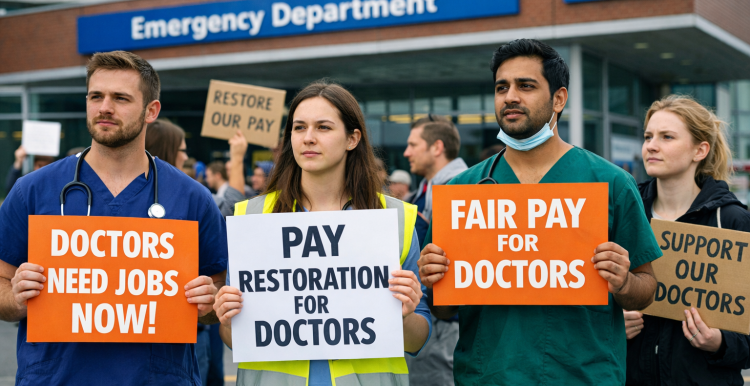
The industrial action follows a long-running national dispute between the government and the British Medical Association (BMA) over pay and working conditions. This is the latest in a series of strikes since 2023.
What this means for patients
The NHS has said that services will continue during the strike period, but some disruption is expected.
- Urgent and emergency care will continue as normal
- Cancer and maternity services are being prioritised
- Most planned appointments are expected to go ahead, but some may be postponed
- GP services are largely unaffected
Patients are being advised to attend appointments as planned unless they are contacted directly to rearrange.
When to seek help
The NHS is encouraging people to continue to come forward for care:
- Call 999 or attend A&E for life-threatening emergencies
- Use NHS 111 (online or by phone) for urgent but non-life-threatening issues
- Continue to contact your GP practice as usual
Why is the strike happening?
The strike follows a breakdown in negotiations between the government and the BMA.
- The government says resident doctors have received pay increases worth around 33% over recent years and describes its latest offer as fair
- The BMA says pay has fallen in real terms since 2008 when measured against inflation and is calling for further restoration
Both sides have indicated a willingness to continue discussions, but agreement has not yet been reached.
Impact on services
Resident doctors make up a significant proportion of the NHS workforce, and their absence is expected to affect some routine care.
NHS leaders have said that, based on previous strikes, the majority of services will remain available, although delays and rescheduling may occur.
Our message to local people
We understand that disruption to care can be worrying and frustrating.
If your appointment is affected, your healthcare provider should contact you directly to rearrange it. If you have not been contacted, you should attend as planned.
It is important that people do not delay seeking help, especially for urgent or serious conditions.